

Questions About Catholic First Communion? Here are the Answers
|
|
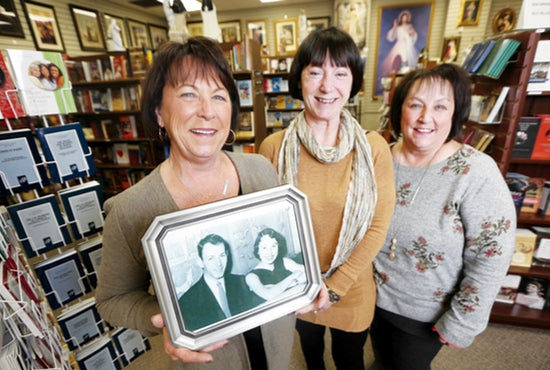
From the Kennedy funeral missal to today's faithful, Leaflet Missal has served Catholics since 1929. Discover why our family-owned company has been trusted for nearly a century.
|
|
First Holy Communion is a Catholic sacrament in which a baptized person receives the Eucharist—the Body and Blood of Jesus Christ—for the first time.
For Catholic children, this usually takes place around age seven or eight and marks a major step in their faith formation and full participation in the Mass.
The Sacrament of the Holy Eucharist was instituted by Christ at the Last Supper, when He broke bread with His apostles before offering Himself on the Cross. At every Mass, Christ makes Himself truly present again through the priest, offering His one sacrifice in an unbloody manner.
Because of this, First Communion is not merely a ceremony or tradition. It is a profound moment of initiation into the sacramental life of the Catholic Church, drawing a child into deeper communion with Jesus Christ. Below is a complete guide to help you understand what First Communion is, why it matters, and how to prepare for it.
First Communion is a special ceremony for children receiving the Holy Eucharist for the first time. It’s also a time to celebrate your faith with friends and family. Read on for answers to your most frequently asked First Communion questions.
What it is:
First Holy Communion is a Catholic sacrament in which a baptized person receives the Eucharist—the true Body and Blood of Jesus Christ—for the first time.
Who receives it?
In the Catholic Church, First Communion is usually received by children who have reached the age of reason and completed proper preparation, though adults may receive it later.
When it happens:
First Communion typically takes place around age seven or eight, following catechetical instruction and the Sacrament of Reconciliation.
Why it matters:
Receiving the Eucharist unites the communicant more deeply with Christ and allows full participation in the Mass, the source and summit of Christian life.
The Catechism of the Roman Catholic Church teaches that the Holy Eucharist is the "source and summit of the Christian life" (1324). Catholics believe that only through the Eucharist can one experience the complete love and fullness Jesus or be in complete union with the Catholic Church and her teachings. In addition, in John 6:53 , Jesus said that "unless you eat the flesh of the Son of Man and drink His blood, you do not have life within you."
First Communion is not simply a symbolic milestone or a rite of passage—it is the first time a Catholic personally receives the Sacrament of the Holy Eucharist. In the Eucharist, Catholics believe in the Real Presence of Jesus Christ: that the bread and wine truly become His Body and Blood, while retaining their outward appearance.
Because of the sacred reality of the Eucharist, the Church requires that a person be in a state of grace before receiving First Communion. This is why children typically receive the Sacrament of Penance beforehand, learning to examine their conscience and approach the altar with reverence and humility.
First Communion also fits within the broader journey of sacramental initiation. Baptism brings a person into the life of the Church, and First Communion nourishes that new life by uniting the communicant more closely with Christ. Together with Reconciliation, it helps form a lifelong pattern of conversion, repentance, and participation in the sacramental life of the Catholic Church.
The Catechism of the Catholic Church teaches that First Communion is centered on the Eucharist, the heart of Catholic life and worship. It also teaches that it is real, not just a metaphor or a symbol. Finally, it stresses the importance of proper preparation:
“In the most blessed sacrament of the Eucharist, the Body and Blood, together with the soul and divinity, of our Lord Jesus Christ… is truly, really, and substantially contained.”
“Anyone conscious of a grave sin must receive the sacrament of Reconciliation before coming to Communion.”
“Holy Communion augments our union with Christ.”
Before receiving First Holy Communion, the Catholic Church asks that certain requirements be met to ensure the sacrament is received with understanding, reverence, and proper spiritual preparation.
Baptism: First Communion can only take place after a person has been baptized in the Catholic Church. Baptism is the first sacrament of initiation and opens the door to participation in the sacramental life of the Church.
Age of reason: First Communion is typically received once a child reaches the age of reason—usually around seven or eight years old—when they are able to understand the difference between ordinary bread and the consecrated host.
Confession: Because Holy Communion requires a person to be free from mortal sin, children receive the Sacrament of Penance before their First Communion. This helps prepare their hearts to receive the Body and Blood of Christ in a state of grace.
Basic understanding of the Eucharist: First communicants must have a foundational understanding of the Eucharist and know that Holy Communion is not symbolic, but the true Body and Blood of Jesus Christ.
Preparation for First Communion is a process that helps children grow closer to God and develop a deeper understanding of the Catholic faith. This preparation takes place both through parish instruction and within the home.
First Communion classes are typically part of a parish religious education program and take place during the academic year, often from September through May. These classes are designed to help children:
Learn about the Catholic Mass and the Eucharist
Understand the importance of receiving Holy Communion worthily
Develop a personal relationship with God
While there is no single, universal curriculum, the focus of First Communion classes is not only on the ceremony itself, but on forming a foundation for a lifelong faith.
In addition to parish instruction, families play an important role in preparing a child for First Communion. Parents and guardians help reinforce what is taught in class by:
Attending Mass regularly as a family
Talking about the meaning of the Eucharist
Encouraging prayer and examination of conscience
This shared preparation helps children understand that First Communion is not just a one-day event, but an important step in their ongoing spiritual journey within the Church.
The First Communion ceremony takes place during a Catholic Mass, which typically lasts 60 to 90 minutes. During this Mass, children who have been properly prepared receive Holy Communion—the Body and Blood of Jesus Christ—for the first time.
Before First Communion, children do not take part in the Eucharist. Instead, they receive a blessing from the priest during this part of the Mass. On the day of their First Communion, the priest blesses those about to receive the sacrament, and during the Eucharistic liturgy, the children approach the altar and receive Holy Communion for the first time.
Family members, including parents and godparents, play an important role in the celebration. While sponsors are not required for First Communion, godparents are often present and take a special part in the day by supporting their godchild through prayer and encouragement.
Over time, several meaningful traditions have become closely associated with First Communion, helping emphasize the sacredness of the occasion.
One of the most recognizable traditions is white attire. The Catholic Church teaches that during First Holy Communion, the child becomes a bride of Christ. For this reason, girls often wear white dresses and boys wear suits, symbolizing purity and reverence as they approach the altar.
Another common tradition is the gathering of family and loved ones for the First Communion Mass. Godparents, relatives, and close friends often attend to witness and support the child as they receive the Eucharist for the first time.
Many families also incorporate blessings and prayers, asking God to send down the Holy Spirit and pour out abundant graces upon First Communicants as they continue to grow in faith.
First Communion is one of the most important sacraments Catholics receive, as the Holy Eucharist is such a central piece of the Catholic faith. After being baptized in the Catholic Church and upon reaching the age of 7 or 8, children are invited to join in communion with Jesus Christ and gain a seat at his table through the consumption of the Holy Eucharist.
May God send down his Holy Spirit and pour out abundant blessings upon all First Communicants. Amen.
Now that you have a solid background on the sacrament, make sure that you have a thoughtful gift picked out that will be meaningful to them and centered on faith. Check out our helpful gift guides, filled with special and unique personalized gifts for your first communicant.